


What is covered in your Homeowner’s policy and what should I consider before filing a claim?
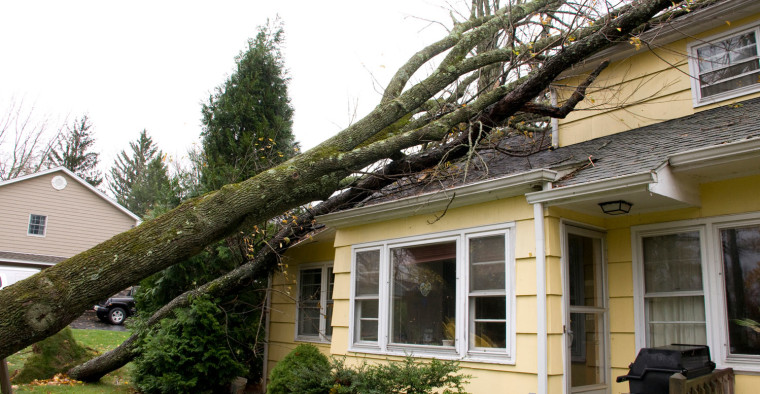
What homeowners need to know about their insurance policies
Homeowners may need additional education about their insurance policies — particularly as many consumers seem misinformed about severe weather damages.
When asked what weather-related disasters are covered by insurance, 47% of consumers wrongly assume that a flood claim would be covered under homeowners insurance. Homeowners insurance policies don’t cover flood damages, Sangameshwar says. You’ll need a separate flood insurance policy to cover flood damages.
“Homeowners who live in high-risk areas are required to have flood insurance, but these flood zones are based on historical flood data,” she says. “Thanks to climate change, floods are happening in zones that may not be classified as high risk, so it’s important to get flood insurance. You also can’t get flood insurance at the last minute (e.g., 48 hours before a hurricane hits) and expect to be covered, since it takes 30 days for a policy to take effect.”

Additionally, depending on the state in which you live, 51% of those who answered that tornadoes are covered could be denied. While regular wind and hail damage are covered in standard homeowners insurance policies, you may need additional coverage if you live in “tornado alley” or certain states where high winds are common.
The same goes for the 25% of homeowners who believe wildfires are covered. For wildfires, standard homeowners insurance policies will cover fire damage, but it may depend on your location. And Americans living in areas that experience wildfires may see homeowner insurance rates increase by an average of 24%, with some states seeing rates increase by as much as 40% or more after a wildfire — even if homes aren’t affected by wildfires.
“Your homeowners insurance will help you rebuild your home, other structures and personal property in case it burns down,” Sangameshwar says. “However, if you live in an area where wildfire risk is increasing, you need to regularly review your insurance coverage to make sure your dwelling, other structure and personal property coverage is keeping pace with rising costs.”
When it comes to their insurance policy, Sangameshwar says consumers should also know the following:
- You may be missing out on discounts. “If you installed an alarm or home surveillance system, or if you installed new windows, a roof or other safety features, you could qualify for discounts on your policy,” she says. “Contact your insurance company to take advantage of any updates you made.”
- Make sure you have enough coverage and that the disasters you’re most prone to are covered. As noted earlier, insurers may require homeowners to buy additional windstorm coverage to protect against wind damages in some states where tornadoes or hurricanes are common. And you may need flood insurance since homeowners insurance won’t cover flood damage.
- If your budget allows for it, make regular repairs and updates to your home to reduce extreme weather risk. “This includes repairing previous storm damages in a timely manner, regularly inspecting and repairing damages to your roof and siding, installing hail-resistant roofs and hurricane shutters, trimming trees and securing outdoor furniture,” she says. Doing so can better ensure any future claims won’t be denied.
Additionally, depending on the state in which you live, 51% of those who answered that tornadoes are covered could be denied. While regular wind and hail damage are covered in standard homeowners insurance policies, you may need additional coverage if you live in “tornado alley” or certain states where high winds are common.
The same goes for the 25% of homeowners who believe wildfires are covered. For wildfires, standard homeowners insurance policies will cover fire damage, but it may depend on your location. And Americans living in areas that experience wildfires may see homeowner insurance rates increase by an average of 24%, with some states seeing rates increase by as much as 40% or more after a wildfire — even if homes aren’t affected by wildfires.
Written by Value Penquin